Kids in the kitchen: age-by-age tasks, from toddlers to teens
What kids can do in the kitchen at 2–3, 4–5, 6–8, 9–12 and as teens: a task table, safety rules from health bodies and dinners that give small hands real jobs.
Av The Tonight team · · 10 min lesetid
Denne siden er foreløpig bare på engelsk.
Somewhere around age two, a child can stand on a step stool, run a lemon under the tap and feel very important. That is a real kitchen job, and it's the start of a long ladder.
Kids can start helping around age two with washing produce and tearing lettuce, and most can take on measuring, mixing and mashing by four or five. Cutting soft foods with a dull knife shows up in guides from about five to seven. Real knife work and the stove come at about nine to twelve, after a readiness check, and by the teen years a young cook can plan and cook whole meals. No official body sets one birthday for each skill. The published charts agree on the sequence and differ by a year or two on the dates, so treat every age below as a range and let the child's own skill and judgment decide.
Kitchen tasks by age, in one table
Here is the short version, and then the detail. Each row combines what several health and nutrition sources list for that age band.
| Age | Good jobs | Your job |
|---|---|---|
| 2–3 | Washing produce, tearing lettuce, snapping green beans, wiping the table, stirring cool ingredients | Close, constant supervision. Handwashing first. Keep them 3 feet from the stove and away from raw dough, eggs and meat. |
| 4–5 | Measuring dry ingredients, mixing batter, kneading dough, mashing soft foods, cracking eggs, setting the table | Handwashing after eggs. The stove and the knives are still yours. |
| 6–8 | Peeling with a peeler, cutting soft foods with a dull knife, greasing pans, loading the dishwasher, opening cans (from about 8) | Stand beside the knife and peeler. Remind them to watch their fingers. Microwaved food can be hot without looking hot. |
| 9–12 | Following a recipe, chopping, boiling pasta, flipping pancakes, using the microwave and, after a check, the oven | Check pan handles, unplugging and knife care first. Stove from about 10, oven from about 11 to 12, adult nearby. |
| 13+ | Multi-step meals, planning a menu, mentoring younger cooks | Hand over the safety basics: thermometer, separate boards, chilling. Then step back. |
Combined from the Academy of Nutrition and Dietetics, Children's Health, Cornell Cooperative Extension, South Dakota State University Extension and the National CACFP Association. Where they differ, the row leans toward the later age for anything involving heat or blades.
Ages 2 to 5: short jobs, real pride
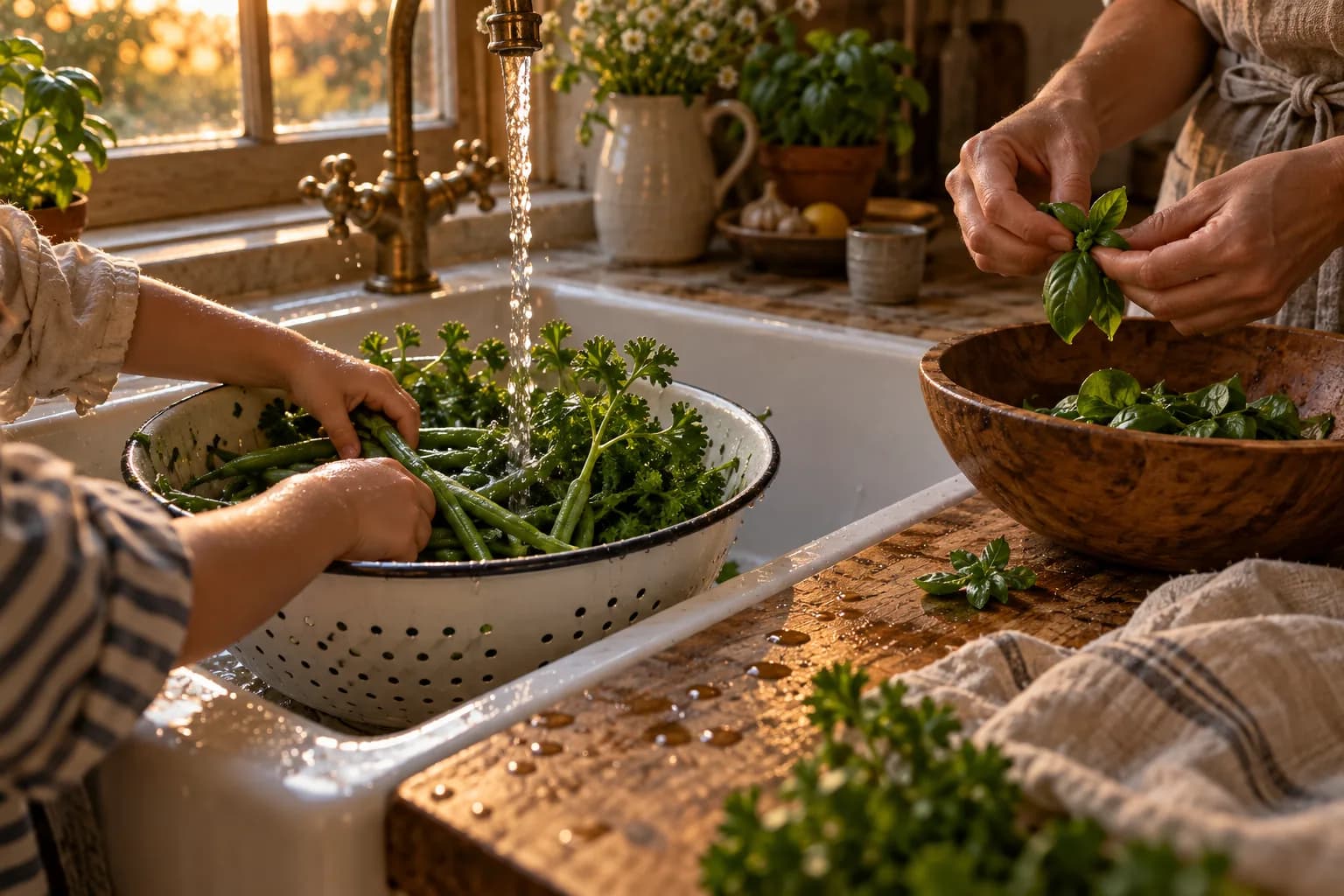
Keep jobs short and give them a visible end: a colander of green beans to snap, a head of lettuce to tear, a lemon to squeeze, a table to wipe. The American Academy of Pediatrics (AAP) gives a good example: a 4-year-old may not be ready to sauté vegetables over a hot pan, but may have the fine motor skills to rinse fruits or tear salad leaves. Its advice for toddlers includes supervised work like stirring and picking herbs.
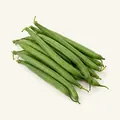 green beanSnap into pieces
 butter lettuceTear for wraps and salads
 lemonWash it, squeeze it
 limeSqueeze over tacos
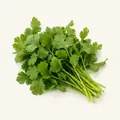 cilantroPick the leaves
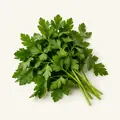 parsleyPick the leaves
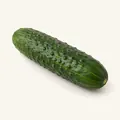 cucumberScrub and rinse
 spinachRinse and tear
 flour tortillaFill, fold and press
 eggFrom about 4: crack it, then wash hands
 carrotScrub it; you do the cutting
The AAP lists another reason to start early. Cooking engages children's senses of touch and smell and helps them get comfortable with new foods. If you're feeding a wary eater, a child who has torn the basil is halfway to tasting it, which is why this article and our piece on feeding picky eaters belong together.
Two safety habits matter most at this age. The first is distance. Safe Kids Worldwide advises teaching younger children to stay at least 3 feet away from the cooking space, cooking on the back burners and turning pot handles away from the edge. The second is food that fits small windpipes. Children nibble while they work, and children under 4 are still learning to chew. The AAP says to cut food into pieces no larger than half an inch, and its under-4 hazard list includes whole grapes, nuts, popcorn, raw carrot sticks and raw apple chunks.
And one rule surprises people: no tasting the batter. The CDC says most flour is raw and can carry germs such as E. coli, and that raw and lightly cooked eggs can carry Salmonella. Tasting or eating raw dough or batter can put you at risk of food poisoning, and the CDC advises against letting children play with dough made from raw flour, craft dough included. Children under 5 are three times more likely to be hospitalized if they get a Salmonella infection.
Ages 6 to 8: peelers, dull knives and a first look at heat
By six or seven, most guides put a peeler and a dull knife for soft foods within reach. Cornell Cooperative Extension lists peelers, loading the dishwasher, shucking corn and cutting soft items with plastic knives or scissors at 6 to 7. Children's Health puts cutting soft foods with a dull knife at 5 to 7, always with an adult watching. South Dakota State University Extension is the earliest, listing child-safe knives for soft foods as young as 3 to 4 with close supervision. That spread is the reason to go by the child, not the chart.
Heat arrives in small doses. Children's Health suggests the microwave from around 7 to 8, with one lesson attached: food can be hot even if it doesn't look hot, so stir it and let it cool before eating. Can openers turn up at 8 or so in several guides. And one cooking-with-kids guide adds a caution worth keeping, which is to remind children to watch their fingers whenever they grate or peel.
Between 7 and 9, the Academy of Nutrition and Dietetics adds food thermometers and leftover storage to the list. That's a good job for a careful child. The CDC says the only way to tell whether food is safely cooked is to use a food thermometer, and poultry needs to reach 165°F. A child in charge of the thermometer is learning a skill that lasts.
Ages 9 to 12: readiness beats birthdays
This is the band where the charts turn cautious, and they should. The Academy of Nutrition and Dietetics lists boiling pasta, using the microwave, following a recipe, baking and simmering on the stove for these ages, with one condition: the child first has to show they can manage the basics, such as tucking pan handles, unplugging appliances and using a knife safely. Children's Health puts the stove at about 10 to 11 and up, and the oven at about 11 to 12 and up, with close supervision for the oven. One guide notes that some 8-year-olds aren't mature enough for the stove, and that even at 10 to 12 an adult should be in the house in case of an emergency.
For the stove, the habits are short. Use the back burners when you can, turn pot handles inward, use potholders while stirring and let the stovetop cool before anyone touches it. Never leave the kitchen while something is cooking, and use oven mitts to carry hot pots and pans. Safe Kids Worldwide and Children's Health agree on nearly all of it.
Teens: from helper to cook
By the teen years the goal changes from helping with dinner to running it. Cornell Cooperative Extension says young teens can make simple meals and older teens can learn to handle meals from planning through putting away leftovers. The National CACFP Association's chart adds multi-step preparation, planning complete menus and mentoring younger children at 13 and up, and Nemours KidsHealth describes teens as ready to improve their skills, try different cuisines and choose dishes to prepare.
Handing over one dinner a week is one of the better deals in family life. A teenager who plans and cooks a meal learns to read a recipe, time several things to finish together and clean up afterward, and you get an evening off. For a first solo dinner, pick something with a short ingredient list and a forgiving method; our weeknight dinner ideas are a place to start. Reading labels is a life skill too, and it matters more if anyone at your table has an allergy, so point them to food allergen labels, explained.
Five rules that don't change with age
- 1Wash hands with soap for at least 20 seconds before, during and after preparing food.
- 2Never taste raw dough, batter or raw eggs, and wash hands and surfaces after handling them.
- 3Use one cutting board for raw meat, poultry and seafood, and a separate one for produce, bread and anything that won't be cooked.
- 4Cook to temperature and check with a thermometer: poultry reaches 165°F.
- 5Refrigerate perishable food within 2 hours, or within 1 hour if it's hotter than 90°F.
All five come from the CDC's food safety guidance, and they apply to a 9-year-old and a 39-year-old alike. Cornell Cooperative Extension adds allergen awareness to its list of basics to teach. If someone at your table has a food allergy, make it a habit from the first job: the label decides, not the name of the dish.
Make weeknight dinner a two-person job
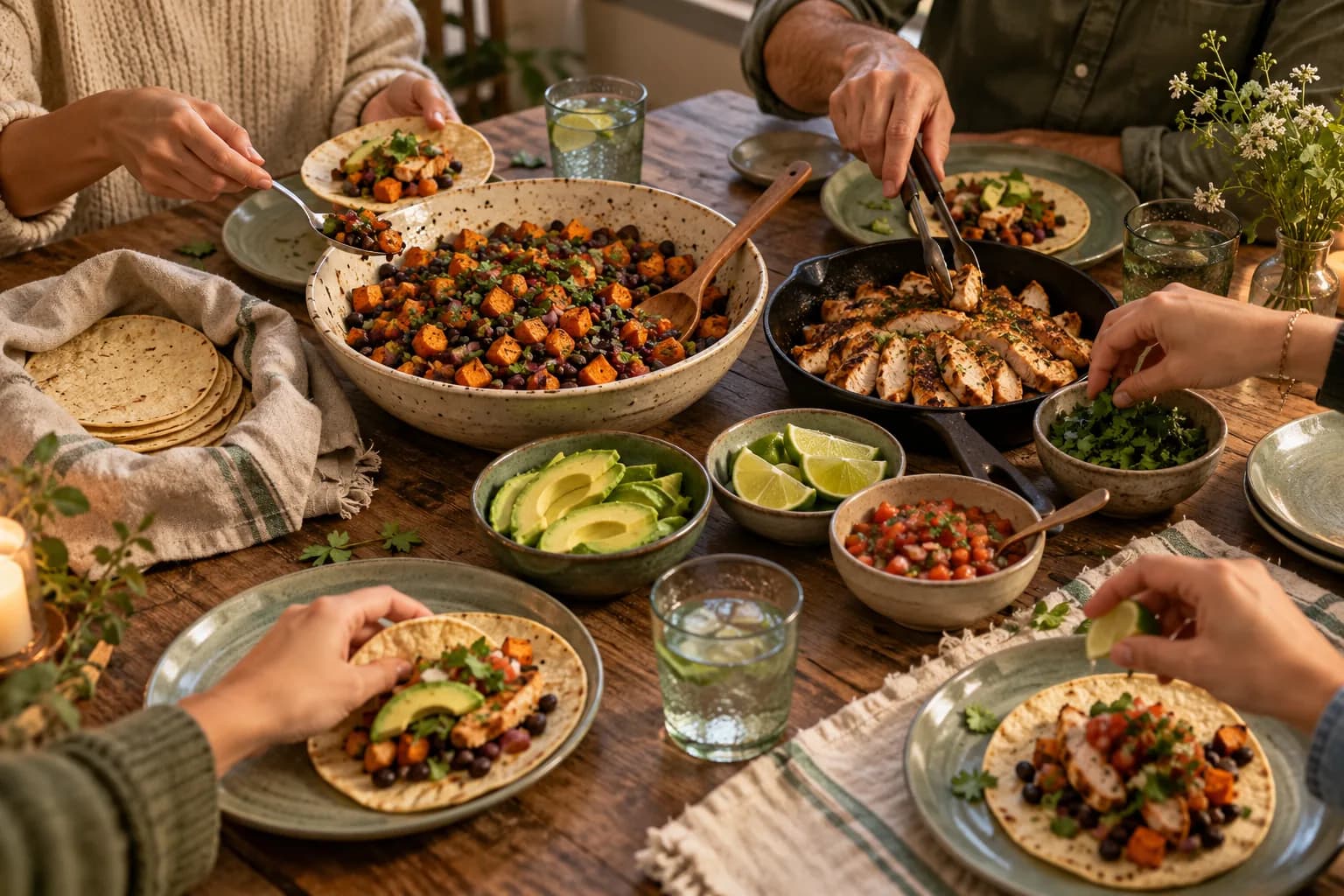
The obstacle usually isn't knowing what a child can do. It's the clock. At 5:47 on a Tuesday nobody wants a slower dinner. So hand over one job, not the whole meal, and pick dinners that have jobs built in. Assembly dinners are easiest: tacos, rice bowls, lettuce wraps, quesadillas. A three-year-old can tear the lettuce, a five-year-old can sprinkle the toppings, a seven-year-old can peel the carrot and a ten-year-old can stir the pot with you standing beside them.
Dinners with jobs built in
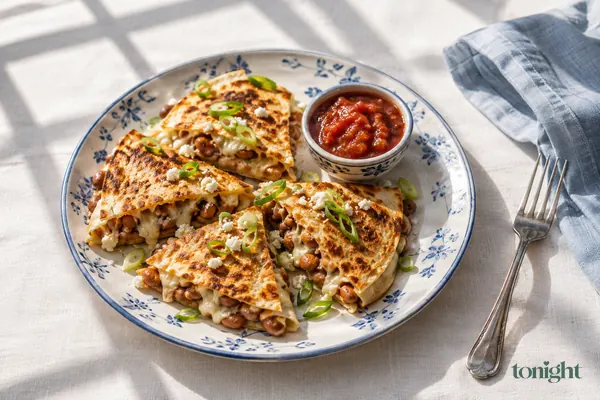





Tonight's catalog helps a little. Every one of its 148 dinners needs 25 minutes or less of hands-on time, the median is 20, and 21 of them are grain bowls, a shape that comes apart neatly into jobs. In the Tonight app, browsing recipes lets you filter by dish type and hands-on time, and the recipe library shows the catalog. Every dinner Tonight puts in your week has already been checked, ingredient by ingredient, for everyone at the table, and cooking mode with one big-type step per card is coming soon.
If you'd like dinners chosen for the time you have and checked for everyone at your table, Tonight is free to try for 7 days. See pricing.
Questions people ask
At what age can a child use a knife?
It depends on the knife and the guide. South Dakota State University Extension lists child-safe knives for soft foods at 3 to 4, Children's Health puts a dull knife for soft foods at 5 to 7 with constant supervision, and guides place real chopping at 9 to 12 once a child has shown careful habits. Start with soft foods, a dull knife and an adult beside them.
When can a child use the stove?
Children's Health puts stovetop work at about 10 to 11 and up, and the oven at 11 to 12 and up, with close supervision. Readiness matters more than age: tucking pan handles, unplugging appliances and never leaving a pot unattended come first.
Can a toddler help with raw meat or eggs?
It's better to keep them for adults. The CDC says children under 5 are three times more likely to be hospitalized with a Salmonella infection, and SDSU Extension advises avoiding raw meat and eggs with young children. Cracking eggs shows up around ages 4 to 5, with handwashing afterward.
Is it safe to let kids lick the spoon or taste the batter?
No. The CDC says most flour is raw and eggs can carry Salmonella, and tasting or eating raw dough or batter can cause food poisoning. Wash hands, bowls and counters after handling either.
How do I keep a toddler safe while I cook?
Safe Kids Worldwide suggests a kid-free zone at least 3 feet around the cooking space, cooking on the back burners and turning pot handles away from the edge. If you're watching a baby, a highchair outside that zone keeps them in sight.
Does cooking together help with picky eating?
It can. The AAP notes that cooking engages touch and smell and builds comfort with new foods, and its picky-eater tips suggest supervised toddler jobs such as stirring and picking herbs.
Sources
- 1.Academy of Nutrition and Dietetics (eatright.org), Teaching Kids to Cook — Age bands from 2–3 to 9–12 with tasks and safety focus; readiness checks for pan handles, unplugging appliances and knives.
- 2.Children's Health, Age-appropriate kitchen tasks for kids — Tasks by age, dull knife for soft foods at 5–7, microwave from 7–8, stove from 10–11, oven from 11–12, and stove and knife safety rules.
- 3.Cornell Cooperative Extension Schoharie-Otsego, Start 'Em Young! Kids in the Kitchen — Age bands 2–3 through teenagers; food-safety basics including allergen awareness.
- 4.South Dakota State University Extension, Cooking With Young Children: Tips and Age-Appropriate Activities — Tasks for ages 2, 3–4 and 5+; child-safe knives for soft foods; avoiding raw meat and eggs with young children.
- 5.National CACFP Association, Age-Appropriate Kitchen Tasks — Tasks for ages 2 through 13+, including safe knife skills at 9–12 and menu planning at 13+.
- 6.The Monday Campaigns, Kitchen Tasks by Age Group (excerpt from Easy Meals to Cook with Kids) — Watching fingers when grating and peeling; some 8-year-olds not ready for the stove; an adult in the house for ages 10–12.
- 7.American Academy of Pediatrics (HealthyChildren.org), 5 Great Reasons to Cook with Your Kids — Cooking engages the senses and builds comfort with new foods; a 4-year-old can rinse fruit or tear leaves; always supervise.
- 8.American Academy of Pediatrics (HealthyChildren.org), 10 Tips for Parents of Picky Eaters — Supervised toddler kitchen jobs such as stirring and picking herbs.
- 9.American Academy of Pediatrics (HealthyChildren.org), Choking Prevention — Half-inch pieces; foods that are choking hazards for children under 4.
- 10.Nemours KidsHealth, Cooking With Kids — Supervision, kitchen rules, and what teens can take on.
- 11.Safe Kids Worldwide, Burns and Scalds Prevention Tips — 3-foot kid-free zone, back burners, pot handles, oven mitts, never leaving the kitchen while cooking.
- 12.CDC, About Handwashing — Scrub for at least 20 seconds; wash before, during and after preparing food.
- 13.CDC, Raw Flour and Dough — Most flour is raw; raw eggs and flour can carry germs; don't taste raw dough or batter.
- 14.CDC, Four Steps to Food Safety — Separate boards, 165°F for poultry, a thermometer, chilling within 2 hours (1 hour above 90°F).
- 15.CDC, Safer Food Choices for Children Under 5 — Children under 5 are three times more likely to be hospitalized if they get a Salmonella infection.
- 16.Tonight recipe catalog (148 recipes, September 2026) — Hands-on time (median 20 minutes, maximum 25) and dish types.