Freezer-friendly dinners: what freezes well and how long
What freezes well, what turns to mush, how long dinners keep, and how to thaw and reheat them safely, plus 68 freezer-friendly dinners from our catalog.
By The Tonight team · · 11 min read
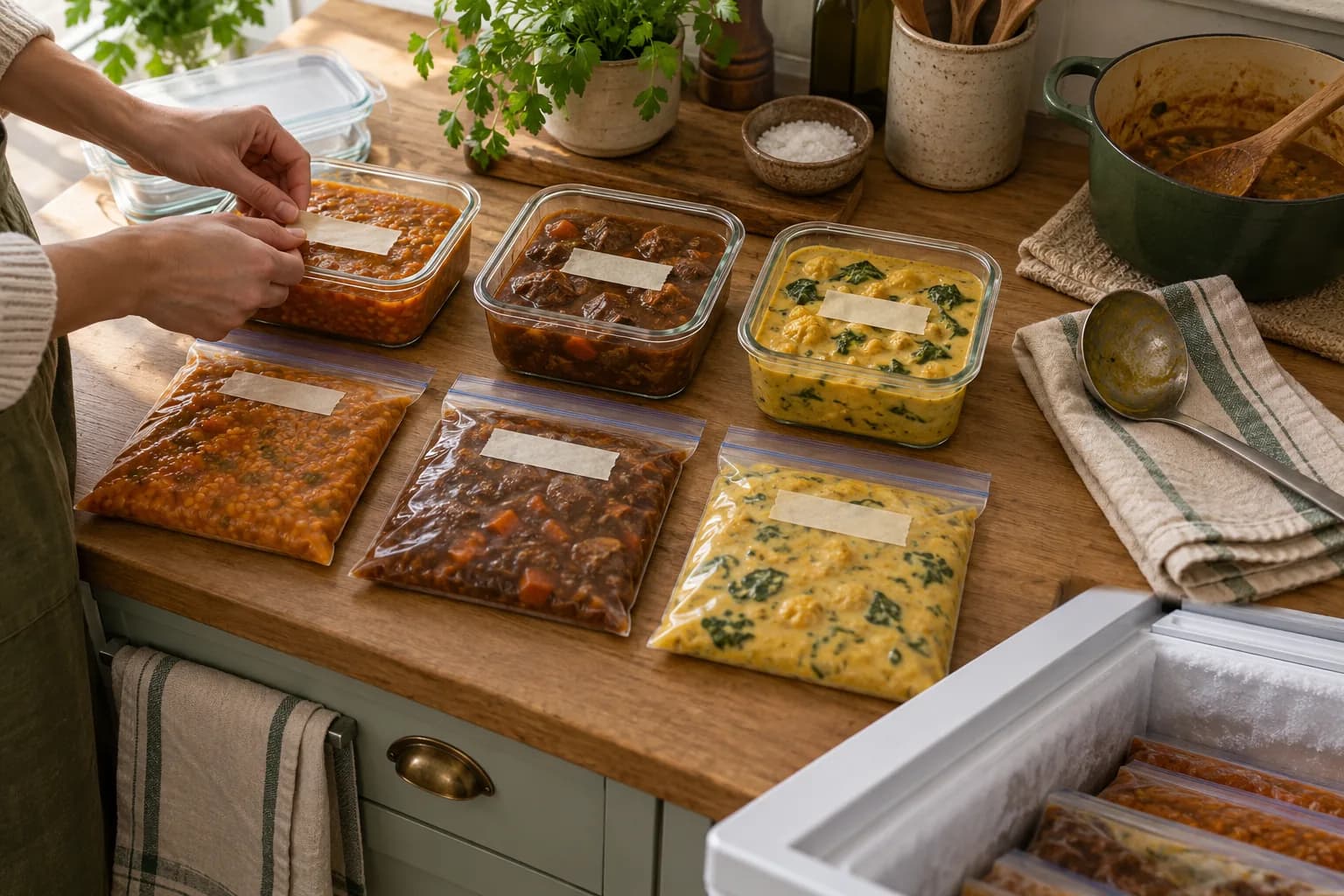
Most soups, stews, curries, braises and saucy meat dishes freeze well. Crisp, creamy and delicate things, like fried food, cream sauces, salad greens and cooked pasta, don't. Frozen at 0°F (-18°C), any of it stays safe indefinitely. The two-to-three-month advice on storage charts is about quality, not safety.
That changes what a freezer dinner has to be. It doesn't need to survive years, only a few months and one reheating. Of the 148 dinners in the Tonight catalog, 68 (46%) are flagged freezer-friendly, and the pattern is what extension services would predict: 69% of our one-pots make the cut, and none of our nine stir-fries do.
68 of 148
Tonight dinners are flagged freezer-friendly in our catalog
Source: Tonight recipe catalog (148 recipes, September 2026)
What freezes well, and what doesn't
Freezing doesn't kill bacteria. It stops them growing, and the National Center for Home Food Preservation is blunt about it: freezing does not sterilize food. What changes in the freezer is texture. Foods built on liquid and gentle heat come through almost untouched, and foods that depend on structure, like a crisp crust, an emulsified sauce or a starchy potato, lose it.
| Food | Verdict | What happens, and what to do |
|---|---|---|
| Soups, stews and curries | Freezes well | Best within 2–3 months. Cool fast and leave room to expand. |
| Braised and ground-meat dishes | Freezes well | Cooked meat dishes keep 2–3 months at best quality. |
| Cooked poultry and fish dishes | Freezes well | Keep 4–6 months at best quality. |
| Casseroles and bakes | Freezes well | About 2–4 months. Label and date them. |
| Boiled or baked potatoes | Poorly | Turn soft, crumbly and mealy. Add potatoes when you reheat a stew. |
| Cooked pasta and rice | Poorly | Turn mushy. Freeze the sauce and cook the starch fresh. |
| Cream sauces, sour cream, mayonnaise | Poorly | Separate. Stir dairy in as you reheat. |
| Fried and crumb-topped foods | Poorly | Lose crispness. Add crunch when serving. |
| Cooked egg whites, hard-cooked eggs | Poorly | Turn tough and rubbery. |
| Raw lettuce, cucumbers, celery, cabbage | Poorly | Go limp and water-logged. |
Sources: National Center for Home Food Preservation, Ohioline (Ohio State University Extension), FDA storage chart and Illinois Extension. Verdicts describe quality; safety depends on handling.
A quick test before you freeze anything: does it sit in a sauce, does it depend on crunch, and is there dairy stirred in at the end? Sauce is a yes. Crunch and stirred-in dairy are noes, and anything with potatoes or cooked pasta deserves a second look. A dinner that passes gets a label and a date. One that doesn't goes in the refrigerator for tomorrow instead.
What our catalog says
We flag each dinner as freezer-friendly or not. The pattern follows the texture logic above: dishes built on a sauce or a braise lead, and the dishes that depend on something crisp do not.
- One-pot (18 of 26)69%
- Grain bowl (13 of 21)62%
- Traybake (6 of 15)40%
- Main dish (26 of 65)40%
- Stir-fry (0 of 9)0%
| One-pot (18 of 26) | 69% |
|---|---|
| Grain bowl (13 of 21) | 62% |
| Traybake (6 of 15) | 40% |
| Main dish (26 of 65) | 40% |
| Stir-fry (0 of 9) | 0% |
Dish types with at least nine recipes. Soups, pasta and sandwiches are left out because each has five or fewer.
Source: Tonight recipe catalog (148 recipes, September 2026)
Cuisine shows the same thing. Nearly seven in ten of our North African (7 of 10), Mexican (9 of 13) and Indian (8 of 12) dinners are flagged, which is the world of tagines, chilis and curries. One caution: some of the 68 include potatoes or cooked rice, and the extension guidance above says both can turn soft. If a dish has them, freeze the sauce or filling and cook the starch fresh. Of the 68, 47 are in the free set right now, which rotates monthly.
What to double first
Look at the ingredients behind the flag and the logic sharpens. Ground-meat dinners are flagged 22 times out of 26, dinners built on beef, lamb or pork stewing cuts 8 out of 9, and dinners with beans, chickpeas or lentils 20 out of 27. Dinners built on canned tomato, tomato paste or a jarred tomato sauce are flagged in 33 of 42. These are the dishes with a sauce to protect them, and they are the natural place to start.
Seafood is the outlier: only 1 of our 38 seafood dinners carries the flag, even though the FDA chart gives cooked fish 4 to 6 months. Fish cooked just to done has little margin left for a second round of heat, so reheated fish is the classic freezer disappointment. Stir-fries sit at 0 of 9 for a similar reason. The point of a stir-fry is crisp vegetables from a hot pan, and a freezer takes that away.
The other pattern is that the dinners worth freezing are often the slowest ones. Nine of the 11 dinners in our catalog that take an hour or more are flagged, and every one of them asks for 25 minutes of your time or less. Doubling a long simmer adds little time, so the extra work is mostly chopping. Make the 75-minute barley and ale stew once and eat it twice: one batch for Sunday, the other into shallow, labeled containers for a night in the next two to three months.
Six freezer-friendly dinners to double
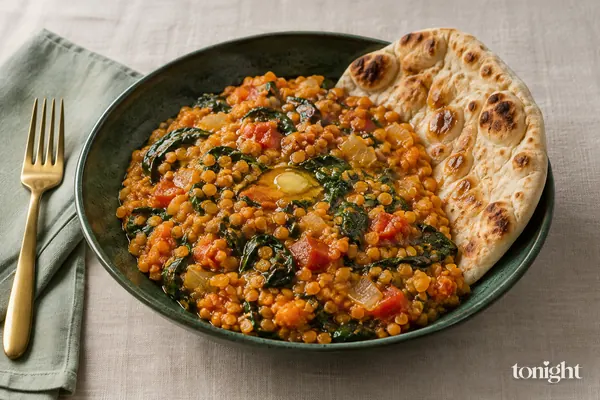
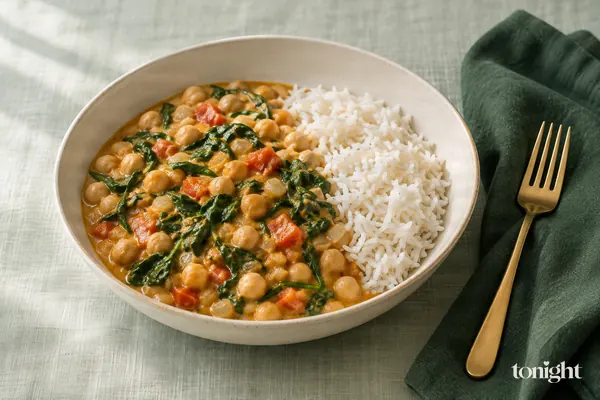
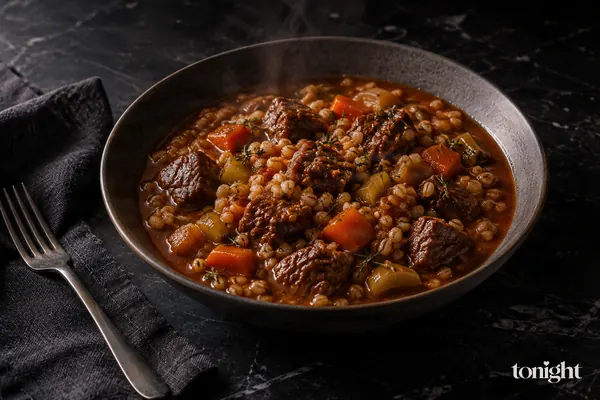
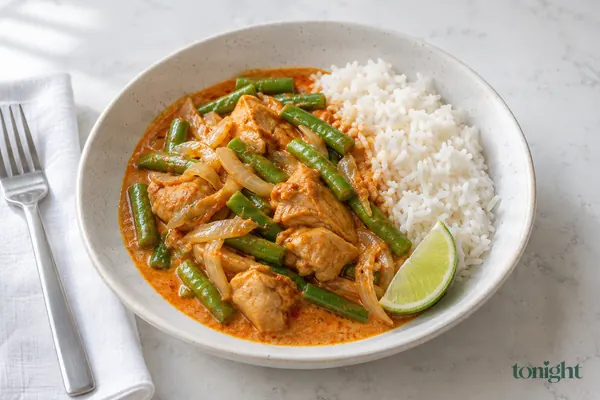
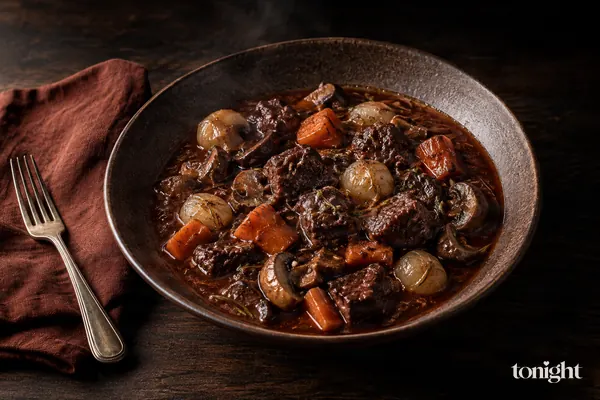
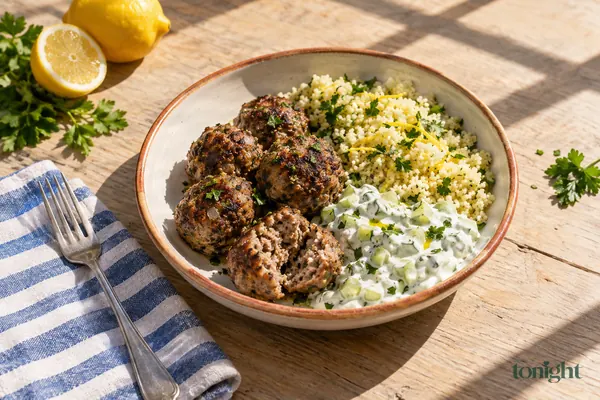
A flag is a call about quality, not a safety guarantee, and it says nothing about allergens. Freezing doesn't change what is in a dish, so the usual rules apply: if someone at your table has an allergy, read the labels on what you buy, every time.
Freeze it cold, tight and labeled
The best freezer dinners are cooked with the freezer in mind. Hold back the dairy, the fresh herbs and the crunchy toppings, because reheating will cook everything a second time and you can add them at the end.
From stove to freezer
- 1
Cool it quickly.
The FDA says perishable food shouldn't sit out more than two hours, or one hour above 90°F. Split big pots into shallow containers, and stand a soup pot in a sink of ice water.
- 2
Portion for one dinner.
Freeze the amount you will thaw, or single servings for lunches. Small containers cool faster and thaw faster.
- 3
Pack it airtight.
Use containers or bags labeled for the freezer, not yogurt tubs, and press out as much air as you can. Freezer burn is simply air reaching the food.
- 4
Leave room to expand.
Liquids grow as they freeze. The National Center for Home Food Preservation recommends about 1½ inches (4 cm) of headspace for mostly liquid soups and at least ½ inch (1.3 cm) for mostly solid ones.
- 5
Label it.
Write the dish and the date, and Illinois Extension adds the recommended storage time. Texas A&M suggests first in, first out: new containers go at the back, and the oldest gets eaten first. It saves you a mystery container in March.
- 6
Keep the freezer at 0°F (-18°C).
An appliance thermometer settles it. Texas A&M's rule of thumb is that if the freezer can't keep ice cream brick-solid, it isn't cold enough.
How long is too long
Storage times are guidance for quality. Food that is still frozen at 0°F is safe, so nothing bad happens at month five. It just tastes less like itself. Sources differ a little: the FDA chart gives soups and stews 2 to 3 months, while the National Center for Home Food Preservation puts frozen soup at highest quality within 4 to 6 months. Use the shorter number if you like your food at its best.
| Food | Refrigerator | Freezer (best quality) |
|---|---|---|
| Soups and stews | 3–4 days | 2–3 months |
| Cooked meat and meat dishes | 3–4 days | 2–3 months |
| Cooked poultry dishes | 3–4 days | 4–6 months |
| Cooked fish | 3–4 days | 4–6 months |
| Gravy and meat broth | 1–2 days | 2–3 months |
| Frozen casseroles (store-bought) | – | 3–4 months |
FDA Refrigerator & Freezer Storage Chart. Freezer times are for quality only; food at 0°F stays safe indefinitely.
Thaw and reheat without gambling
Frozen food is safe. Thawed food is perishable again. Texas A&M AgriLife points out that freezer temperatures stop bacteria growing but don't kill them, so as food thaws they can start again. That is the reason for the rules below.
| Method | How it works | Watch for |
|---|---|---|
| Refrigerator | The safest: about a day for every 5 lb (2.3 kg) | Plan ahead the night before |
| Cold water | A leak-proof bag in cold water, changed every 30 minutes; a pound takes an hour or less | Cook right away |
| Microwave | Thaw only when you will cook immediately | Uneven heating |
| Straight from frozen | Soups and sauces can go into the pot frozen | Allow a third to a half more time |
| Countertop | Not a safe method | Bacteria multiply between 40°F and 140°F |
Sources: USDA Food Safety and Inspection Service, National Center for Home Food Preservation and Ohioline.
Most of the work is remembering. Move tomorrow's dinner from the freezer to the refrigerator before you go to bed, and the slowest, safest method does the job while you sleep.
Reheat everything to 165°F (74°C) in the center, measured with a food thermometer. Bring soups, sauces and gravies to a rolling boil. Illinois Extension says to skip the slow cooker for reheating and use the stovetop or microwave instead. Microwaves heat unevenly, so stir, and check the center in more than one spot. For cream soups, the National Center for Home Food Preservation suggests a double boiler, and stirring dairy-based soups as they warm so they don't curdle.
Refreezing is where sources part ways. USDA’s Food Safety and Inspection Service says food thawed in the refrigerator can be refrozen without cooking, with some loss of quality, and that food thawed in cold water or the microwave should be cooked first. Texas A&M advises against refreezing combination dishes such as stews, soups and casseroles. The safe habit is to freeze in portions you will finish.
Freezer burn and other small disappointments
Freezer burn looks alarming, with its dry, discolored patches, but Iowa State University Extension says it affects quality, not safety. It is what happens when air reaches the surface of the food. Mildly affected food can be eaten once you trim the damaged spots, while badly burned food is better thrown out. Airtight packaging and a cold freezer prevent it.
Cooking a big batch is where Tonight's checks earn their keep. Every dish that reaches your week has already passed each person's allergy, diet and religious rules, so the pot you double for the freezer is one everyone at your table can eat. That is the idea behind allergies are rules, and it is why we still say to check labels. If freezing appeals because Thursdays are hard, the ten-minute Sunday ritual is the other half of the plan.
A big-batch dinner also shortens the clock on a busy night, as the weeknight dinner ideas guide explains, and it leans on the same shelf items as our pantry staples list. Browse the recipe library to see what is on offer, or try Tonight free for 7 days.
Questions people ask
How long can cooked dinners stay in the freezer?
At 0°F (-18°C) they stay safe indefinitely. For best quality, the FDA suggests soups, stews and meat dishes within 2 to 3 months, and cooked poultry and fish dishes within 4 to 6 months.
Can you refreeze food that has thawed?
If it thawed in the refrigerator, yes, with some loss of quality. If it thawed in cold water or the microwave, cook it first. Texas A&M advises against refreezing stews, soups and casseroles.
Can you reheat frozen food without thawing it?
Yes. Soups and sauces can go straight into a pot, and other frozen dishes need about a third to a half more time. Heat everything to 165°F (74°C) in the center.
Is freezer-burned food safe to eat?
Yes, freezer burn is a quality problem, not a safety one. Trim off the dry, discolored spots. Severely burned food is better discarded.
Can you freeze cooked rice or pasta?
You can, but the National Center for Home Food Preservation lists both as foods that turn mushy. Freeze the sauce or filling and cook fresh rice or pasta when you reheat.
Should hot food cool on the counter before freezing?
No. Get it into the refrigerator or freezer within two hours of cooking, and cool big batches fast in shallow containers or an ice bath.
Sources
- 1.Tonight recipe catalog (148 recipes, September 2026) — Freezer flags, dish types, cuisines and ingredients.
- 2.FDA, Refrigerator & Freezer Storage Chart — Storage times; safe indefinitely at 0°F.
- 3.FDA, Are You Storing Food Safely? — Two-hour rule; 0°F; 48 hours in a full freezer.
- 4.National Center for Home Food Preservation, Foods That Do Not Freeze Well — Foods that freeze poorly.
- 5.National Center for Home Food Preservation, Thawing and Preparing Foods for Serving — Thawing; reheating to 165°F.
- 6.National Center for Home Food Preservation, Freezing Soup — Ice-bath cooling; headspace.
- 7.National Center for Home Food Preservation, Containers for Freezing — Rigid containers; removing air.
- 8.Ohioline (Ohio State University Extension), Freezing Cooked Foods, HYG-5308 — Cooling; packaging; cooking from frozen.
- 9.Illinois Extension, Leftovers — Casseroles 2 to 4 months; labeling.
- 10.USDA Food Safety and Inspection Service, The Big Thaw: Safe Defrosting Methods — Thawing times; refreezing (citing USDA).
- 11.Clemson Home & Garden Information Center, How to Thaw Food Safely — Microwaves heat unevenly.
- 12.Iowa State University Extension, Freezer Burn and Food Safety — Freezer burn is a quality issue.
- 13.Texas A&M AgriLife Extension, Safe Home Food Storage — Freezing does not kill bacteria; refreezing.