Pantry staples list: 44 ingredients for easy weeknight dinners
A pantry staples list built from what 148 real dinners use most: 44 ingredients with storage times, plus the 20 to buy first and the ones to skip.
文:The Tonight team · · 読了10分
このページは、今のところ英語のみです。
A pantry staples list should be short and a little boring: a couple of fats, a couple of acids, onions and garlic, rice, canned tomatoes and beans, a carton of broth, a handful of spices, three or four sauces, eggs, and a few things in the freezer. That is forty-odd items, not a hundred.
We can be specific because we checked. Across the 148 dinners in the Tonight catalog, cooks need 209 different ingredients. But the 20 most used ones account for 46% of every ingredient listing, and with the 44 staples below on your shelves, the median dinner needs just four more things from the store.
46%
of all ingredient uses in our 148 dinners come from just 20 ingredients
Source: Tonight recipe catalog (148 recipes, September 2026)
- Onion76 recipes
- Olive oil71 recipes
- Garlic63 recipes
- Chicken broth35 recipes
- Lemon35 recipes
- Parsley29 recipes
- White rice27 recipes
- Carrot26 recipes
- Canned diced tomato26 recipes
- Soy sauce26 recipes
- Butter25 recipes
- Ginger25 recipes
| Onion | 76 recipes |
|---|---|
| Olive oil | 71 recipes |
| Garlic | 63 recipes |
| Chicken broth | 35 recipes |
| Lemon | 35 recipes |
| Parsley | 29 recipes |
| White rice | 27 recipes |
| Carrot | 26 recipes |
| Canned diced tomato | 26 recipes |
| Soy sauce | 26 recipes |
| Butter | 25 recipes |
| Ginger | 25 recipes |
Number of the 148 recipes that list each ingredient. Salt, pepper and water are left out; our recipes give them in the method.
Source: Tonight recipe catalog (148 recipes, September 2026)
Fat, acid and onions come first
Almost every dinner opens with fat: 132 of our 148 recipes list a cooking fat, and olive oil alone is in 71. Acid finishes the job. Lemon or lime turns up in 55 recipes, and it is the cheapest fix for a dish that tastes flat. A bottle of vinegar or two covers the rest.
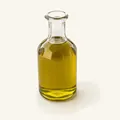 olive oil71 recipes
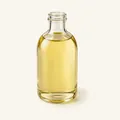 canola oil21 recipes
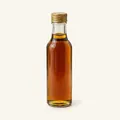 sesame oil19 recipes
 butter25 recipes
 lemon35 recipes
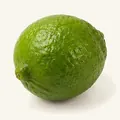 lime20 recipes
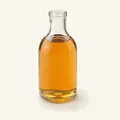 apple cider vinegar5 recipes
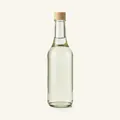 rice vinegar4 recipes
The alliums are the real foundation. Onion is in 51% of our recipes, and at least one of onion, garlic, ginger, scallion, shallot or leek is in 121 of the 148. Carrots and potatoes make the short list of vegetables that live happily in a cool cupboard or crisper for a week or two, ready to bulk out whatever is on the stove.
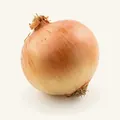 onion76 recipes
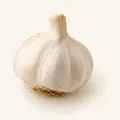 garlic63 recipes
 ginger25 recipes
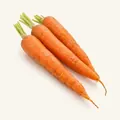 carrot26 recipes
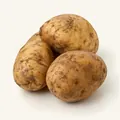 potato18 recipes
The shelf: grains, cans and spices
Rice is the workhorse
If your instinct says spaghetti, our catalog says rice. Rice is in 48 of our dinners, about one in three, and couscous, bulgur, quinoa, barley, farro or polenta is in 20 more. Dried pasta shows up in only 7. Buy the grains you will cook weekly and store them dry.
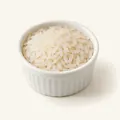 white rice27 recipes
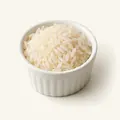 jasmine rice12 recipes
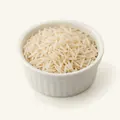 basmati rice9 recipes
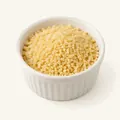 couscous9 recipes
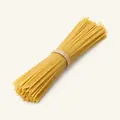 spaghetti2 recipes
Cans and cartons save a Tuesday
Broth is in 56 of our recipes, a canned tomato product in 43, and beans, chickpeas or lentils in 27. Keep two cans of tomatoes, a tube or can of tomato paste, chickpeas, black beans, coconut milk and a carton or two of broth, and you can build a stew, a curry or a soup from nothing. Once a can is open, move the rest to a covered container in the refrigerator and use it within a few days.
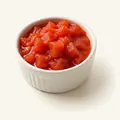 canned diced tomato26 recipes
 tomato paste7 recipes
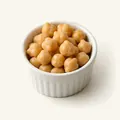 chickpea14 recipes
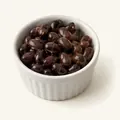 black bean4 recipes
 canned coconut milk10 recipes
 chicken broth35 recipes
 vegetable broth11 recipes
Seven spices are enough to start
Spice racks accrete. Seven jars, cumin, paprika, oregano, thyme, chili powder, curry powder and sesame seed, cover 71 of our 148 dinners between them, with cumin alone in 20. The long tail is real but thin: ras el hanout and garam masala turn up in five recipes each, and many more spices in one or two. Buy those when a recipe asks.
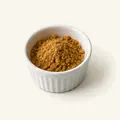 cumin20 recipes
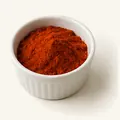 paprika10 recipes
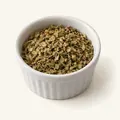 oregano10 recipes
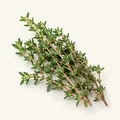 thyme15 recipes
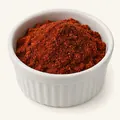 chili powder8 recipes
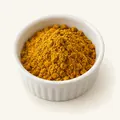 curry powder7 recipes
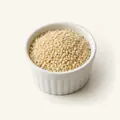 sesame seed10 recipes
Sauces, and the cold shelves
Sauces do the seasoning
Soy sauce is in 26 of our recipes, and one of soy sauce, fish sauce, mirin, gochujang, hoisin, oyster sauce, teriyaki or miso is in 36. Dijon mustard is in 11. These are salty, sour and savory in one bottle, which is why a spoonful can rescue a pot. Mirin, fish sauce and gochujang (9, 9 and 8 recipes) are more specialized. If Japanese, Korean or Thai dinners are a weekly habit, they earn a spot. Otherwise buy them the week a recipe asks.
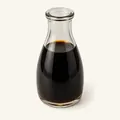 soy sauce26 recipes
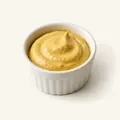 dijon mustard11 recipes
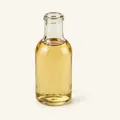 mirin9 recipes
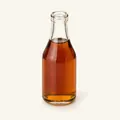 fish sauce9 recipes
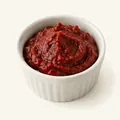 gochujang8 recipes
The refrigerator and freezer
Eggs are in 17 of our recipes, parmesan in 9 and feta in 10. In the freezer, shrimp appear in 13 recipes and salmon in 12, which makes a bag of each a solid fallback. Keep the freezer at 0°F (-18°C) so they keep their quality.
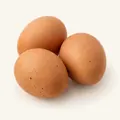 egg17 recipes
 parmesan cheese9 recipes
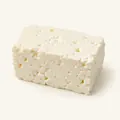 feta cheese10 recipes
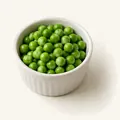 green pea3 recipes
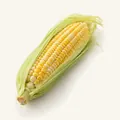 corn8 recipes
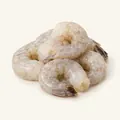 shrimp13 recipes
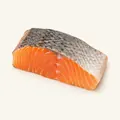 salmon fillet12 recipes
What you will still buy every week
The four most common ingredients that did not make the list are all fresh: parsley (29 recipes), scallion (21), spinach (17) and cilantro (16). Herbs and greens are meant to be bought close to when you cook. Texas A&M's guidance is to keep parsley with its stems in water under a loose plastic wrap, which gets it 2 to 4 weeks, and green onions in a plastic bag in the refrigerator, where they last about 5 days.
A caveat about this list
It leans on the catalog it comes from. Our 148 dinners span 18 cuisines, with American (14), Mexican and Japanese (13 each), and Italian, Indian and French (12 each) the biggest groups, so rice, soy sauce, cumin and coconut milk earn their places. If your table eats pasta and cheese most nights, your list will look different. Treat ours as a method: count what your own recipes use, and stock the top of that list.
How long it all keeps
Pantry guidance is about quality, not safety. USDA notes that federal rules don't require product dating, with a few exceptions such as infant formula, that dates are for quality, and that a shelf-stable product can be used safely after its sell-by date. Sources also disagree a little, so treat these as windows.
| Staple | Where | Best quality for | Note |
|---|---|---|---|
| White rice | Pantry | About 2 years | Brown rice: 1 year. Cooked: 3–4 days. |
| Dried pasta | Pantry | 1–2 years | Cooked: 3–4 days in the refrigerator. |
| Canned tomatoes (high-acid) | Pantry | 12–18 months | Opened: 5–7 days refrigerated. |
| Canned beans (low-acid) | Pantry | 2–5 years | Opened: 3–4 days refrigerated. |
| Cooking oils | Cool, away from heat | 6–12 months unopened | 6–8 months once opened. |
| Vinegar | Pantry | 2 years unopened | 12 months once opened. |
| Ground spices | Away from heat and light | 6 months to 3 years | Sources differ. Replace when the aroma fades. |
| Onions | Cool, dry, ventilated | 2–4 weeks | Not under the sink. |
| Potatoes | Cool, dark, dry | 1–2 weeks | Not the refrigerator; 50–60°F lasts longer. |
| Eggs in shell | Refrigerator | 3–5 weeks | Do not freeze in the shell. |
| Butter | Freezer | 6–9 months | Wrap tightly. |
| Parmesan | Refrigerator once opened | 2–4 months | Unopened: about 10 months. |
| Frozen shrimp and fish | Freezer | Shrimp 3–6 months | Cod 6–8; salmon 2–3. |
Sources: USDA FSIS Shelf-Stable Food Safety (rice, pasta, cans), Texas A&M AgriLife (oils, vinegar, produce, dairy, spices), Virginia and New Mexico State extension (spices) and the FDA storage chart (eggs, shrimp and fish).
Buy the first 20, and let dinners tell you the rest
Start with these 20 and add as your cooking asks:
- Fats and acids: olive oil, canola oil, butter, lemon, lime
- Alliums: onion, garlic, ginger
- Grain: white rice
- Cans and cartons: diced tomatoes, tomato paste, chickpeas, chicken broth
- Spices: cumin, paprika, oregano, thyme
- Sauces and eggs: soy sauce, Dijon mustard, eggs
Buy them over a month rather than in one weekend: fats and alliums first, then grain and cans, then spices and sauces. You will find out what you actually use, and nothing sits long enough to go stale.
With those 20 alone, the median Tonight dinner needs five more ingredients, and 93 of our 148 dinners need five or fewer. The other 24 items pull the median to four and lift the count of dinners needing four or fewer from 42 to 113. The first 20 do most of the work.
Here is what the full shelf buys you. With all 44 in place, 27 of our 148 dinners need two or fewer extra ingredients, and four need just one. The ginger-soy salmon with broccoli rice needs only the broccoli. The chickpea and spinach coconut curry needs spinach and a bottle of vegetable oil. Counts leave out optional ingredients, salt, pepper and water.
Dinners that need almost nothing extra
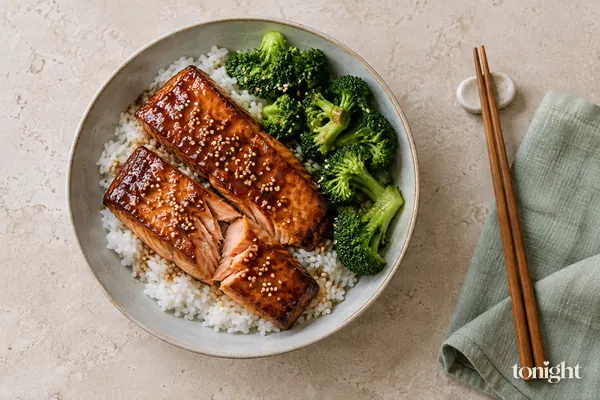
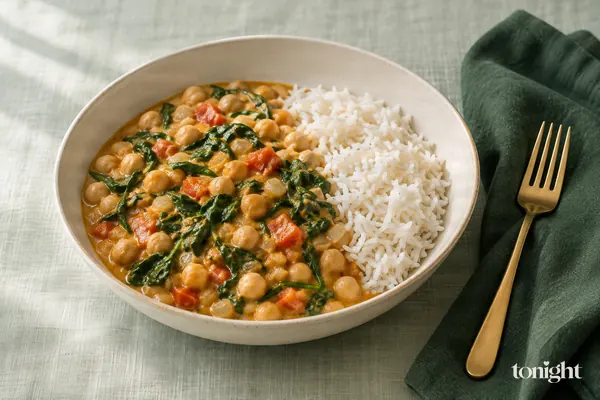
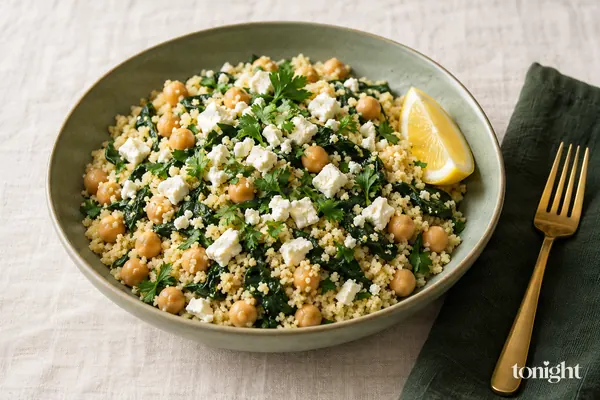
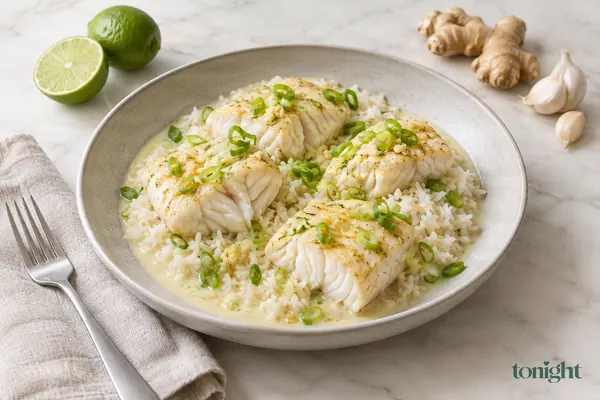
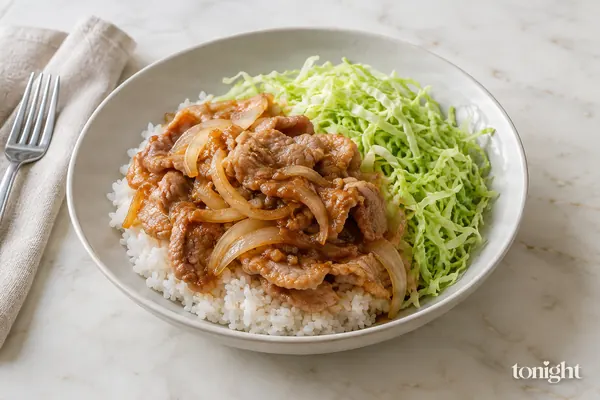
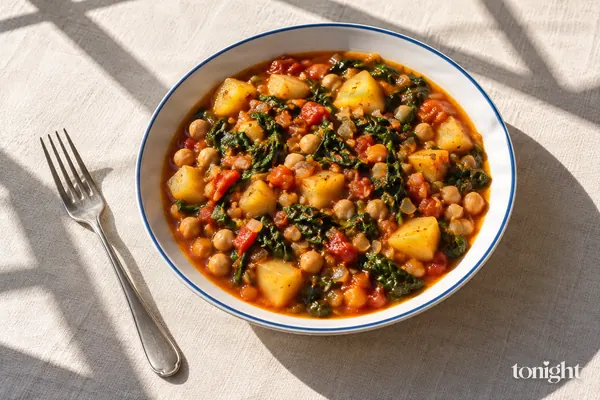
There is also a skip list. Of the 209 ingredients in our catalog, 61 appear in exactly one recipe, and 97 in two or fewer. Hoisin sauce, for example, is in one. Buy those by the recipe and not by the shelf, and the pantry stays a pantry instead of a museum.
This is how Tonight treats staples, too. Mark yours once and they're assumed to be at home, so they don't clutter your shopping list, which is the week's dinners minus what you have, in real pack sizes and sorted by aisle. Use what you have covers that in more detail. If you'd rather not build the list by hand, Tonight is free to try for 7 days.
A stocked shelf also makes the fast dinners possible: see weeknight dinner ideas for the ones that really take 30 minutes, the sheet pan dinners guide for what to do with those oils and spices, and freezer-friendly dinners for the batch-cooking side. You can browse every dish in the recipe library.
Questions people ask
What are the most important pantry staples?
In our catalog, onion, olive oil and garlic lead by a wide margin, followed by chicken broth, lemon, white rice, soy sauce and canned tomatoes. If you buy only those, you can start most of our dinners.
How many pantry staples do I need?
Twenty covers a lot. With the 44 on this list, the median Tonight dinner needs only four more ingredients from the store. Beyond that, buy by the recipe.
How long do canned goods last?
USDA says unopened high-acid cans, like tomatoes, keep 12 to 18 months, and low-acid cans, like beans, keep 2 to 5 years. Store them below 85°F and use older cans first.
Are the dates on pantry foods about safety?
Not mostly. USDA says product dating is for quality, not safety, and that a shelf-stable product can be used safely after its sell-by date. The codes stamped on cans are for tracking, not for you.
Should I throw out a rusty or dented can?
Discard cans that are bulging, leaking, heavily rusted or deeply dented, meaning a dent you can lay a finger in. USDA says light surface rust that wipes off and small dents are not serious.
Where is the best place to store pantry staples?
A cool, dry, dark cupboard, ideally 50 to 70°F, away from the stove, oven, dishwasher and hot pipes. Texas A&M says the space under the sink is a poor place for onions and potatoes.
Sources
- 1.Tonight recipe catalog (148 recipes, September 2026) — Ingredient counts, staples coverage and dish times for all 148 recipes.
- 2.USDA Food Safety and Inspection Service, Shelf-Stable Food Safety — Canned goods, rice, pasta, dating (USDA PDF, hosted by Washington State University).
- 3.Texas A&M AgriLife Extension, Safe Home Food Storage — Oils, vinegar, spices, produce, dairy, pantry conditions.
- 4.Virginia Cooperative Extension, Food Storage Guidelines for Consumers — Spices, onions, potatoes, rice.
- 5.New Mexico State University, Storing Food Safely (E-118) — Spices, onions, potatoes, butter.
- 6.FDA, Refrigerator & Freezer Storage Chart — Eggs; shrimp and fish in the freezer.